How Acupuncture Can Improve Your Health

Acupuncture, an ancient practice rooted in Traditional Chinese Medicine, has gained significant popularity in recent years as a holistic approach to health and wellness. This method involves the insertion of thin needles into specific points on the body to promote healing and balance. Many people are discovering the benefits of acupuncture, not just for pain relief but also for overall health improvement. In this blog post, we will explore how acupuncture can enhance your health, the science behind it, and what to expect during a session.
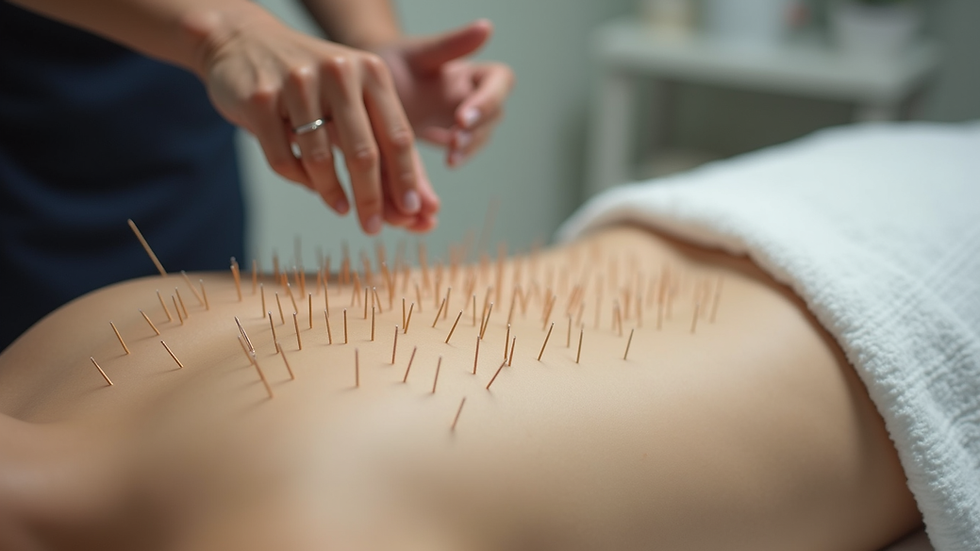
Understanding Acupuncture
Acupuncture is based on the concept of Qi (pronounced "chee"), which is believed to be the vital energy that flows through the body. According to Traditional Chinese Medicine, when Qi is blocked or unbalanced, it can lead to various health issues. Acupuncture aims to restore the flow of Qi by stimulating specific points on the body, known as acupuncture points.
The History of Acupuncture
Acupuncture has been practiced for over 2,500 years, with its origins traced back to ancient China. Initially, it was used as a form of pain relief and to treat various ailments. Over the centuries, acupuncture has evolved, and its techniques have been refined. Today, it is recognized worldwide as a complementary therapy for various health conditions.
How Acupuncture Works
The effectiveness of acupuncture can be attributed to several mechanisms:
Endorphin Release: Acupuncture stimulates the release of endorphins, the body's natural painkillers. This can help alleviate pain and promote a sense of well-being.
Nervous System Regulation: The practice influences the autonomic nervous system, which controls involuntary bodily functions. This can lead to reduced stress and anxiety levels.
Improved Blood Circulation: By promoting better blood flow, acupuncture can enhance the delivery of oxygen and nutrients to tissues, aiding in healing and recovery.
Health Benefits of Acupuncture
Acupuncture offers a wide range of health benefits, making it a valuable addition to your wellness routine. Here are some of the most notable advantages:
Pain Management
One of the most common reasons people seek acupuncture is for pain relief. Research has shown that acupuncture can be effective in treating:
Chronic Pain: Conditions like arthritis, back pain, and migraines can be alleviated through regular acupuncture sessions.
Post-Surgical Pain: Acupuncture can help reduce pain and promote healing after surgical procedures.
Sports Injuries: Athletes often use acupuncture to recover from injuries and improve performance.
Stress Reduction
In today's fast-paced world, stress has become a common issue. Acupuncture can help manage stress by:
Promoting Relaxation: The calming effects of acupuncture can lead to reduced anxiety and improved mood.
Balancing Hormones: Acupuncture may help regulate hormones associated with stress, such as cortisol.
Improved Sleep Quality
Many individuals struggle with sleep disorders, and acupuncture can be a natural solution. Benefits include:
Regulating Sleep Patterns: Acupuncture can help reset the body's internal clock, leading to better sleep quality.
Reducing Insomnia Symptoms: Regular sessions may help alleviate symptoms of insomnia, allowing for more restful nights.
Enhanced Immune Function
Acupuncture has been shown to boost the immune system, making it easier for the body to fight off infections. This can be particularly beneficial during cold and flu season.
Digestive Health
Acupuncture can also support digestive health by:
Alleviating Symptoms of IBS: Many individuals with Irritable Bowel Syndrome (IBS) find relief through acupuncture.
Improving Metabolism: Acupuncture may help regulate appetite and improve metabolic function.
What to Expect During an Acupuncture Session
If you're considering acupuncture for the first time, it's essential to know what to expect. Here’s a step-by-step guide to your first session:
Initial Consultation
During your first visit, the acupuncturist will conduct a thorough assessment of your health history and current concerns. This may include:
Discussing your symptoms and medical history.
Asking about your lifestyle, diet, and stress levels.
Performing a physical examination, including checking your pulse and tongue.
Treatment Plan
Based on the consultation, the acupuncturist will develop a personalized treatment plan. This plan may include:
The number of sessions recommended.
Specific acupuncture points to target.
Additional therapies, such as herbal medicine or dietary advice.
The Acupuncture Session
During the session, you will lie down comfortably, and the acupuncturist will insert thin needles into specific points on your body. Here’s what to expect:
Minimal Discomfort: Most people report feeling little to no pain during needle insertion. The needles are very thin, and many patients describe the sensation as a slight tingling or warmth.
Relaxation: Many individuals find acupuncture sessions deeply relaxing. You may feel a sense of calm as the treatment progresses.
Duration: A typical session lasts between 30 to 60 minutes, depending on your treatment plan.
Post-Treatment Care
After your session, you may experience some mild soreness or fatigue, which is normal. It’s essential to:
Stay Hydrated: Drink plenty of water to help flush out toxins.
Rest: Allow your body to recover and integrate the treatment.
Follow Up: Attend follow-up sessions as recommended by your acupuncturist for optimal results.
Finding a Qualified Acupuncturist
When seeking acupuncture treatment, it’s crucial to find a qualified practitioner. Here are some tips to help you choose the right acupuncturist:
Check Credentials: Ensure the acupuncturist is licensed and certified by a recognized organization.
Read Reviews: Look for testimonials from previous clients to gauge their experiences.
Ask Questions: Don’t hesitate to ask about their experience, treatment methods, and what to expect during sessions.
Conclusion
Acupuncture is a powerful tool for improving health and well-being. From pain management to stress reduction, its benefits are extensive and well-documented. If you’re looking for a natural way to enhance your health, consider giving acupuncture a try. Remember to consult with a qualified practitioner to ensure a safe and effective experience. Your journey to better health may just begin with a few tiny needles.
Take the first step towards improved health today by exploring acupuncture as a viable option for your wellness journey.


Comments